 Back
Back
This is how I work
I like turning fuzzy problems into clear decisions — then staying close enough to the details to make sure they actually ship.
Start with the problem,
not the screen

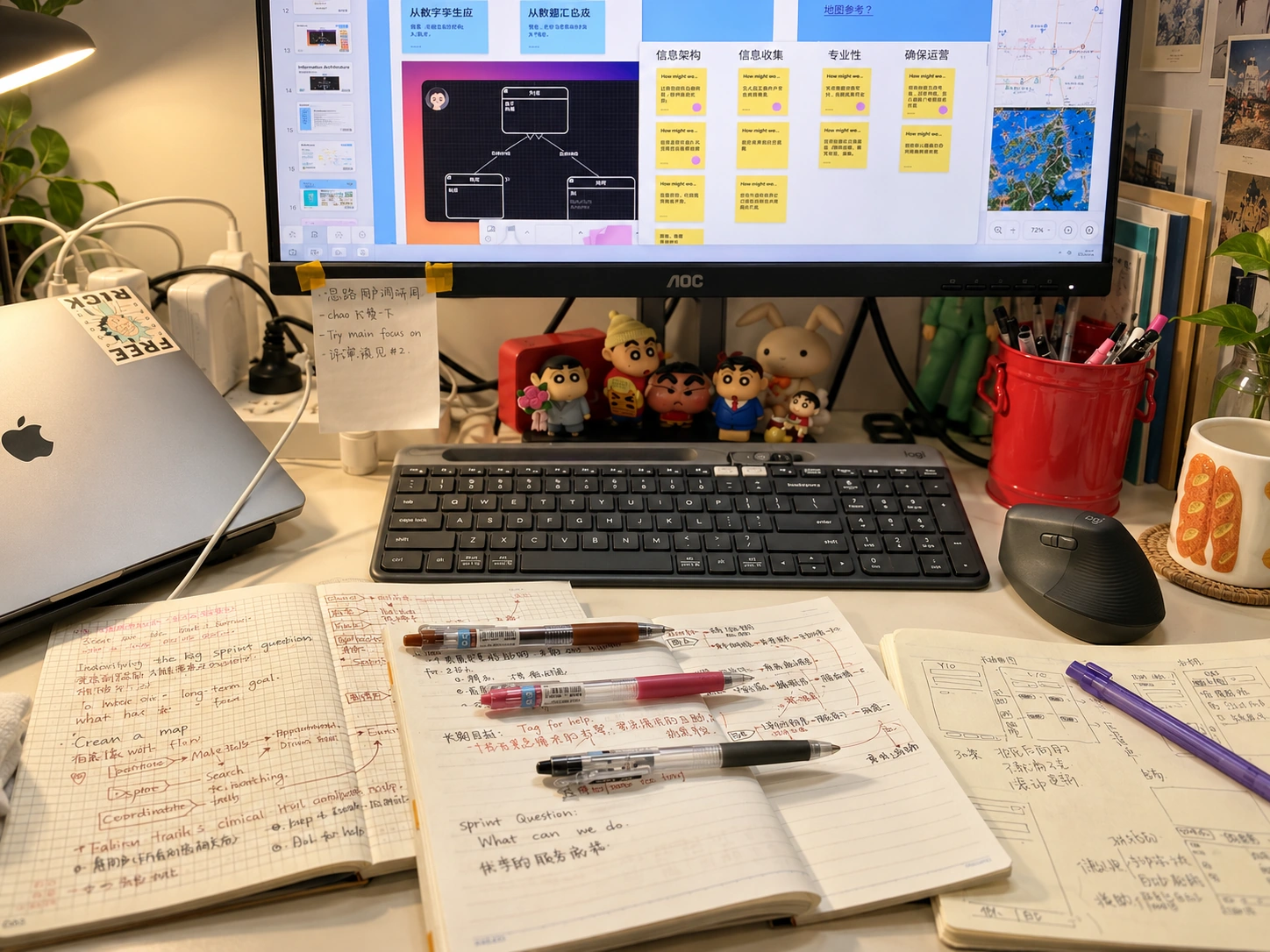
Before opening Figma, I try to understand what actually needs to change — the user problem, product constraints, and what success should look like.
Structure before polish
When a product starts feeling complicated, I usually look for a structural problem before a visual one. I define hierarchy, group related actions, and make the system easier to understand before polishing the interface.
AI is part of my workflow, not my judgment
I use ChatGPT and Codex to unpack technical requirements, organize messy notes, challenge assumptions, check copy, and automate repetitive tasks. The final product decisions still happen with me — usually back in Figma.
Stay close to what ships
I stay involved after the design is handed off — checking implementation, catching edge cases, and adjusting details when the real product behaves differently from the mockup.